


Over the past few weeks we have shared a fortnightly Wellbeing Bulletin focusing on the 5
ways to wellbeing
-
Keep learning
-
Connect
-
Take notice
-
Give
-
Be active
This bumper edition offers some of our favourite content from each theme as well as additional information to support children and families through the summer break.
Through this period of change and difference, when we are all asked to stay alert to the coronavirus, we are supporting this by, sending out bulletins to help everyone stay Healthy, Happy and Safe.
The 5 ways to wellbeing is linked with our partner website
www.healthysomerset.co.uk/covid-19/
Please click on the blue links below to access this bulletin's items
Advice & Tips
Health & Wellbeing Help for Young People and Families
This help sheet offers a quick guide to service support available during the summer holidays for children, young people, families and staff.
Please freely share with others, print and give or display
Health and Wellbeing Help sheet for Children Young People and Families

Looking After Our Bodies

Hand Hygiene
It is still very important that we maintain good hand-hygiene over the summer and beyond so why not re-visit the most effective way to wash your hands to help avoid the spread of infections. For full details go to:
www.nhs.uk/live-well/healthy-body/best-way-to-wash-your-hands

With all children preparing for the return to school in September and as a reminder throughout the holidays, we suggest taking a look at the e-bug resources. This website offers -
- Factual information about the virus
- Things you can do to help stop Coronavirus from spreading
- Resources for school use and to support home schooling including hand hygiene

Protect Your Child in the Sun
Seven top safety tips to protect children in the sun:
- Spending some time outside with faces and arms uncovered will give children the Vitamin D that they need for strong bones. But parents need to make sure children don’t get too much sun and avoid sunburn.
- When the sun is strong encourage children to play in the shade – for example, under trees or a parasol – especially between 11am and 3pm, when the sun is at its strongest.
- Keep babies under six-months-old out of direct sunlight, especially around midday.
- Cover exposed parts of children’s skin with sunscreen, even on cloudy or overcast days. Use a high factor sunscreen (at least SPF 15, preferably 30 or above) that is effective against UVA and UVB. Don’t forget to apply it to their shoulders, nose, ears, cheeks and the tops of their feet and reapply often throughout the day.
- Cover children up in loose, baggy cotton clothes, such as an oversized t-shirt with sleeves or get them to wear a floppy hat with a wide brim that shades their face and neck.
- Protect children’s eyes with sunglasses that meet the British Standard and carry the “CE” mark (check the label or ask the manufacturer).
- If your child is swimming, use waterproof sunscreen and always reapply after towel drying.

During the Summer, families will be spending more time at home and having more children of varied ages to look after. It is important to plan ahead to prevent injury and a preventable need for hospital treatment and care.
Top Tips for Home Safety During Covid & Beyond
Helping pay for your childcare
Government help with childcare costs for parents. Whether you have toddlers or teens, you could get support. www.childcarechoices.gov.uk/
If you are finding it hard to find childcare you can phone 0300 123 2224 or email:
Find information about childcare options and children’s centers
choices.somerset.gov.uk/025/childcare-information/

‘My Back to School Bubble’ aims to help children understand the new protective measures that may be in place at their school, in an age-appropriate way. It reinforces public health messages including the importance of hand and respiratory hygiene, while reassuring children that everyone makes mistakes, helping to combat feelings of anxiety, that have been reported by parents.
The published story is available as a free download and can be found alongside other COVID-19 resources on the e-Bug website
Looking After Our Minds
Learning about emotions, neuroscience and the brain can help us maintain positive relationships at home and at school or work.
This short video clip from the Trauma Recovery Centre shows children sharing information in a simple way to help us understand emotions and their link to the brain
The Somerset Emotion Coaching Project 2020/21
 Over the next twelve months EHCAP will run a series of Mindful Emotion Coaching and Adverse Childhood Experience or MACE workshops.
These are likely to be a mix of online and face to face workshops/webinars depending on how things develop over time with the coronavirus pandemic.
The MACE approach draws extensively on research from Center on the Developing Child, Harvard University, the applied neuroscience of Dan Siegel and David Eagleman, as well as John Gottman’s Emotion Coaching. Dan Siegel’s Hand Model metaphor of the brain has become the backbone of the programme and his Mindsight resources including the ‘Wheel of Awareness’ are popular in developing mindful activities.
Information about Adverse Childhood Experiences (ACEs) and effects on long term physical and mental health were added to the core attachment awareness material in 2018 with an inclusion exercise for staff. Self care and safeguarding remain the golden thread through the whole approach.
Although the training is aimed at school staff, if you work with children and young people and interested in the training please register your interest, including your role or agency, and we will consider your application.
The web page to find out more and to express an interest in attending MACE training is www.emotioncoachingsomerset.co.uk
Coronavirus can be worrying for children and young people... the link below offers information, advice and tips to support you with -
- What you need to know
- Coping with stress and dis-stress
- Mental health services
- Money worries
- and much more
To help us get active we need to be aware of our food choices and how these affect our mood. Watch this video to find out more.

Wellbeing and Mental Health a guide to looking after yourself and others
This booklet has been created by Mendip Health Connectors and it includes support for -
- Beating Corona anxiety
- Struggling to cope
- Wellbeing plan
- Supporting young people
- Working well from home
- Five steps to helping others and lots more
COVID 19 public info a5 booklet.pdf

Mental Wellbeing Lifehacks for coping with covid-19
This resource offers ideas and guidance which can be of help when managing and living within a period of transition. This guide has been written with young people for young people and can be found Here
Activities and Ideas

Children with Disabilities Service - The Community Inclusion and Activity Team (CIAT) will unfortunately not be able to provide planned activity days or drop in clubs due to government advice to socially distance and not meet in large groups. Below you can access holiday activity calendars with details of safe and suitable events as well as activity packs to order.
Summer 2020
- Summer Activity Calendar – week 3
- Summer Activity Calendar – week 4
- Summer Activity Calendar – week 5
- Summer Activity Calendar – week 6
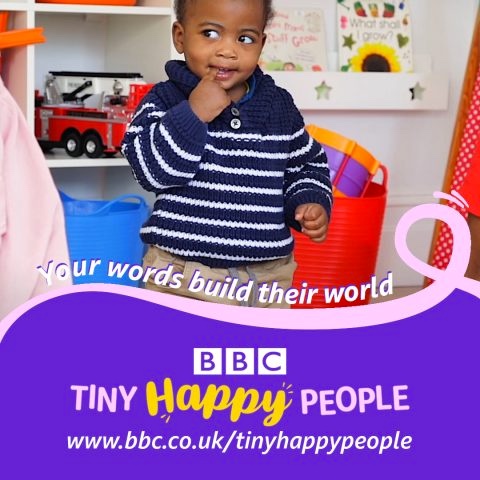
Tiny Happy People offers a range of free digital resources that have been specifically designed to support parents and carers in developing children’s language from pregnancy. They are easy to use and incorporate into everyday routines.
They include a wide range of short films, articles and quizzes that cover, in a bitesize way, the science behind baby brain development. There are lots of fun activities to do with both babies and toddlers that support language development and parent well-being and there are great tips for new parents too.
All the resources are rooted in evidence and have been developed with the help of leading experts in the fields of child and language development to ensure parents and carers are being offered the best advice.
https://www.bbc.co.uk/tiny-happy-people
https://www.instagram.com/bbctinyhappypeople/?hl=en
https://www.facebook.com/bbctinyhappypeople/
Somerset Outdoor Curriculum has been launched to support the continued re-opening of schools and is good for families too:
There are many benefits to being in an outdoor environment and with many schools extending their provision the Outdoor Learning Curriculum has been developed to support schools to utilise their outdoor spaces (which on average makes up 70% of school’s available footprint for learning) In the current situation this curriculum enables:
- Chance for young people to spread out
- Enjoy the widely researched and documented health and wellbeing benefits of being in outdoor spaces and closer to nature
- Be more active, enhancing pupil learning
- Create opportunities for reconnection and bonding
- Support staff wellbeing
Outdoor Learning Top Tips resources are available Here

Take a look at the Somerset Activity & Sports Partnership Facebook page
SASP put out daily posts including information on resources as well as challenges and live sessions which they deliver themselves!
The Full of Beans activity plans have been designed for families to use at home with minimal equipment to keep families physically active. Here's one for you to try I'm an adult get me out of here!
More Full of Beans activities can be found on the SASP website Here

Zing, Public Health’s Lifestyles Team promote physical activity and healthy eating with schools and local communities.
Zing have come up with some recipes to help families with making some simple and healthy meals using their foodbank box.
It can be difficult to come up with new ideas to make mealtimes enjoyable and tasty, we hope you find these ideas useful and can get the whole family involved.
Have fun and enjoy

Sleep Hygiene
Paying attention to our body and minds may help us to notice our sleep – Do we need more? Do we need better quality? This sleep leaflet from the Mental Health Foundation offers great advice, tips and interesting sleep facts.

Get out in nature and take notice of all nature's beauty!
Fyne court – is open for access and free to visit a hidden gem in the heart of the Quantock Hills. You can explore this wild garden and discover pieces of its history hiding in the undergrowth.
Visit the website for more information www.nationaltrust.org.uk/fyne-court
Important notice - Our car parks are open. We have limited spaces, so if the car park is full please come back another time

For more ideas and activities click Here
Weblinks and Apps 
Learn how to keep safe online
Net-Aware brings together the NSPCC's expertise in protecting children and O2's tech know-how.
For more tips and Advice from Net Aware see Here

Anna Freud centre for Children & Families offers a resource page of free advice and guidance on all topics of emotional, mental health and wellbeing for parents, carers and school staff.
www.annafreud.org/schools-and-colleges/resources/
Coping with coronavirus: a guide for young people
This guidance was produced with the Mental Health Foundation Young Leaders. Assembled in partnership with Leaders Unlocked, The MHF Young Leaders are a diverse group of young people with a wealth of general life and specific mental health experiences who are helping to shape our work with families, children and young people.
www.mentalhealth.org.uk/coronavirus/coping-coronavirus-guide-young-people
Physical activity and mental health
‘Research has shown that physical activity releases chemicals in your brain that make you feel good - boosting your self-esteem, helping you concentrate as well as sleep, look and feel better. Not bad for something we can quite easily do for free!’
Listen to the Podcast Here
Wellbeing and sleep: full works
You may find this podcast presented by Dr David Peters which is intended to be listened to in bed, can help you relax and get ready to go to sleep
soundcloud.com/mentalhealthfoundation/wellbeing-and-sleep-full-works

Easy ways to eat well and move more
Most of us still are not eating enough fruit and vegetables. They should make up over a third of the food we eat each day. Take at look at the Change 4 Life website for simple recipe and activity ideas

Somerset Libraries have created Wellbeing video resources linked to the Five Ways to Wellbeing.
Here you can view Somerset Libraries Guide to... Resources that help you connect. Part of their series of video guides celebrating Mental Health Awareness week 2020. This video provides a short guide to the best websites and resources out there to help you to connect with others.
Mindful opportunities


Mindful opportunities
We all have a wondering mind and in mindfulness we are invited to take notice of where the mind has wondered and gently practice returning the mind with kindness to the focus of our attention.
These ideas offer a way to bring a mindful approach into our lives, helping engage all our senses, bringing a present moment awareness into everyday experiences. Drinking chocolate
Watch an introduction to the Mindful Senses Awareness Activities

A to Z of mindfulness in nature
Explores just some of the ways that our countryside and its wildlife can improve both your physical and mental health.
There are an increasing number of studies, backed by scientific research, that suggest that slowing down and being more present can help alleviate feelings of anxiety, depression and stress.
www.countryfile.com/how-to/a-to-z-of-mindfulness-in-nature/
 Helping others is not only good for them and a good thing to do, it also makes us happier and healthier too.
Take a look at some actions, facts, news and resources from Action for Happiness Here
Action for happiness also create monthly calendars which are packed with actions you can take to help create a happier and kinder world. Click on the link below where you will find current and previous calendars www.actionforhappiness.org/calendars
Podcasts
What does it take to live a happier life? Learn research-tested strategies that you can put into practice today
Taking notice of what our heart needs. These practices of self-compassion invite us to offer ourselves the same love, care and nourishment that we would offer a good friend, yet rarely consider offering to ourselves.

